Introduction: Scope Creep Rarely Looks Like Scope Creep
Scope creep doesn’t usually announce itself.
It shows up as:
- “Just one more option”
- “Can we quickly see an alternative?”
- “This shouldn’t take long”
- “It’s a small adjustment”
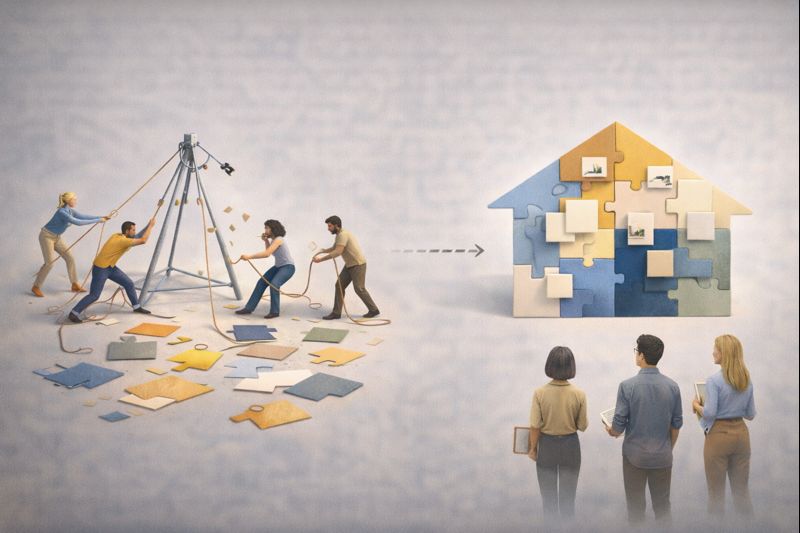
Each request feels reasonable. Each one seems harmless. But over time, these small changes accumulate into unpaid work, stretched timelines, and eroded margins.
By the time teams realize scope has shifted, it’s already embedded in the project.
Interior CRM exists to make scope visible before it becomes a problem, not after.
Why Interior Projects Are Especially Vulnerable to Scope Creep
Interior design lives in the gray zone between creativity and execution.
Clients expect flexibility.
Designers want to be helpful.
Details evolve rapidly.
Unlike other AEC disciplines, interior scope often changes in feel, not just quantity. A change in mood, material, or layout may look subtle—but it can trigger hours or days of downstream work.
When scope is not tracked explicitly, teams absorb effort silently.
The Real Cause: Invisible Scope Expansion
Most scope creep isn’t intentional. It’s invisible.
It happens when:
- changes aren’t logged
- approvals aren’t linked to scope
- design stages blur together
- “exceptions” become normal
Without a system, teams rely on memory and goodwill. Both are unreliable under pressure.
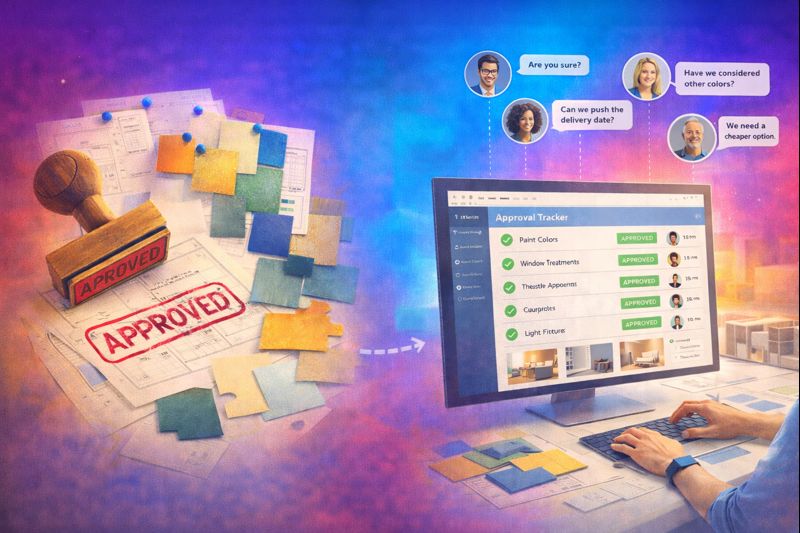
Interior CRM exposes scope expansion by linking changes to approvals and stages, making growth visible early.
Why Conversations Break Down Without Scope History
When scope isn’t documented, difficult conversations become emotional.
Designers feel taken advantage of.
Clients feel accused.
Managers struggle to justify boundaries.
Everyone remembers the project differently.
Interior CRM replaces memory with shared history. It shows:
- what was originally included
- what changed
- when it changed
- who approved it
This turns conflict into clarification.
Managing Scope Without Damaging Client Relationships
Many studios fear that formal scope tracking will feel rigid or unfriendly.
In practice, the opposite happens.
When scope is transparent:
- clients understand the impact of requests
- decisions feel fair
- trust increases
Interior CRM doesn’t say “no.”
It says “here’s what this change means.”
That clarity protects both sides.
How Interior CRM Makes Scope Actionable, Not Bureaucratic
Effective scope control is lightweight.
Interior CRM supports it by:
- tagging changes to scope categories
- linking revisions to approvals
- flagging cumulative impact
- surfacing scope drift early
Designers don’t need to justify every decision. The system quietly keeps score in the background.
Why Scope Visibility Protects Profitability
Margins disappear not through big losses—but through small, repeated untracked efforts.
Interior CRM protects profitability by:
- revealing where time is going
- identifying recurring “free” work
- supporting renegotiation early
Studios stop discovering losses after projects end.
Scope Control Becomes Essential as Teams Scale
As studios grow, informal scope management stops working.
More projects mean:
- more team members
- more parallel decisions
- more client touchpoints
Without a system, scope drift accelerates.
Interior CRM allows studios to scale without sacrificing control—by standardizing how scope is recorded, reviewed, and discussed.
From Scope Clarity to Full AEC Execution
Interior CRM stabilizes scope before projects enter heavy coordination and delivery.
Once interiors move into:
- BIM coordination
- procurement
- site execution
scope clarity becomes even more critical.
This is where platforms like Ruwaq Design extend scope intelligence into full AEC workflows—ensuring interior scope decisions remain visible and respected through delivery, not overwritten by technical pressure.
Conclusion: Scope Isn’t the Enemy—Ambiguity Is
Scope creep isn’t a client problem.
It’s a visibility problem.
Interior CRM doesn’t restrict creativity. It protects it—by ensuring effort is recognized, decisions are traceable, and boundaries are respected.
Projects don’t lose money because they change.
They lose money because changes aren’t managed.